International cheeses: types of milk and cheese varieties around the world
Milks of the world: types and particularities
- cow’s milk
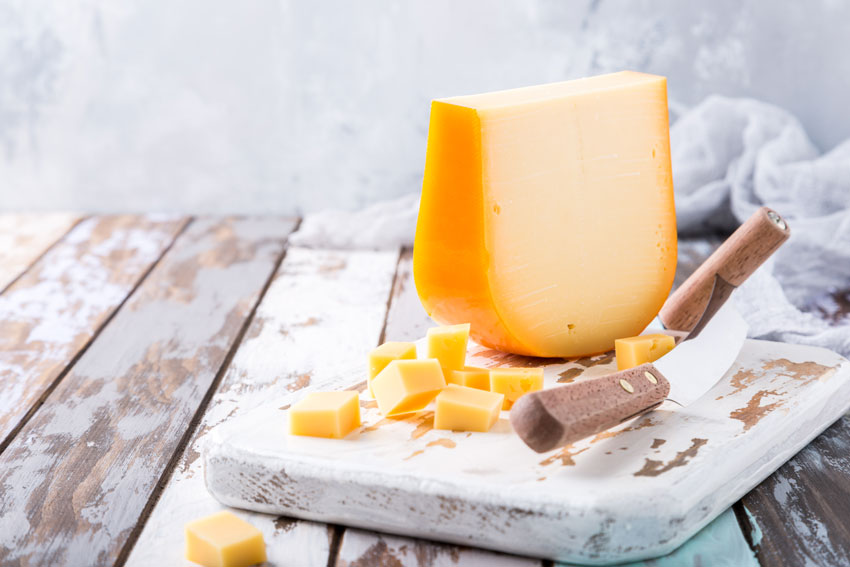
The most commonly used milk in cheesemaking, especially internationally, is…whole cow’s milkThis is mainly due to the fact that cows produce more milk than other animals and to the greater number of cows in countries such as those in Northern Europe. This type of milk is generally produced in higher quantities in fertile areas plains of northern Europe, the Alps, the Pyrenees or the Cantabrian Mountains.
Cheeses made with cow’s milk are characterized by having a creamy and smooth flavor ,with hints of cream and freshly made butter. These cheeses take on more yellow tones during their maturation process. Some of the cheeses made with this milk are the Dutch gouda, Swiss emmental or Galician Tetilla cheese, like ours D.O.P Tetilla Castillo de Pambre cheese.
In Mediterranean areas, As in Spain, it is more common to also use sheep’s and/or goat’s milk, which provide a genuine point and a greater richness of nuances to the cheese.
- sheep’s milk
Contains more vitamins and calcium than cow’s milk, resulting in a cheese very rich in protein and minerals. Sheep’s cheese It is characterized by being very tasty and aromatic, with a slightly spicy and buttery touch. Unlike cheeses made with cow’s milk, it has a less yellow color.
Some of the sheep cheeses. The most recognized throughout the world are Roquefort or Manchego cheese, like ours Villacenteno Manchego cheese, Available in two varieties, cured and aged, so you can enjoy the world’s most awarded Manchego cheese however you like.
- goat milk
It is a very light milk, because it is more digestible and contains less fat than cow’s milk. Cheeses made with this type of milk have a strong and slightly acidic flavor, in addition to a whitish color, characteristic of the goat.
Some examples of cheeses made with goat’s milk are the majorero cheese, Made on the Canary Island of Fuerteventura and our García Baquero Goat Cheese, Made with 100% goat’s milk and matured for 45 days.
- Milk blend
It is also possible mix different kinds of milk, As is customary in the production of Spanish cheeses, and as we do with many of our García Baquero cheeses, we use a unique recipe for most of them. The highest percentage of sheep’s milk is due to its excellent nutritional properties and the superb flavor it imparts. The second most common ingredient is goat’s milk, chosen for its genuine taste, followed by cow’s milk, which provides creaminess and a very characteristic texture. The richness and harmony of the milk blend, defined by our Master Cheesemaker, result in cheeses with a Perfect balance, round on the palate and with a unique personality. Cheeses like ours Semi-cured, Master Curator, Old 10 months, 12-month reservation, Gran Reserva Cinco Lanzas and our Barus and Artés Cellars,They use a master recipe with the. The richest milk blend on the market.
We can also find a mix of milks in cheeses such as Cabrales in which a mixture is used cow’s, sheep’s and goat’s milk; he Argentine cheese, where a mixture of cow’s and goat’s milk is also used; or thel Feta cheese, Made in Greece with goat and sheep milk.
- Other milks
Although the most commonly used milk varieties are cow, sheep and goat, we also find cheeses made with the milk of other animals around the world.
In Europe they stand out: the Mozzarella Italian, often made with buffalo milk in its original recipe; Pule cheese, made with donkey milk in the Zasavica nature reserve (Serbia); or reindeer milk,which is used to produce varieties of blue cheese, feta or brie in Sweden.
In the more mountainous Asian regions of Nepal and Tibet,is consumed Chhurpi cheese, made with yac milk. In Mongolia, the mare’s cheese,as well as in other areas of the globe such as Peru with its alpaca cheese, Mauritania with its cheese made with camel’s milk; and New Zealand with its red deer cheese, Rich in nutrients, minerals and Omega 3, with a tasty and unusual flavor.
International cheeses: 13 most popular varieties
As for designations of origin in Europe, they function in a very similar way. In France, it’s called Appellation d’Origine Contrôlée and regulates more than 40 different cheeses, including the oldest, Roquefort. In Italy, the Denominazione di Origine Protetta protects cheeses like Parmesan, in Greece Feta, and in the United Kingdom Stilton and Cheddar. Below, we’ve compiled some of the most popular international cheeses of all time, take note!
-
Brie cheese: a creamy bite with a taste of France
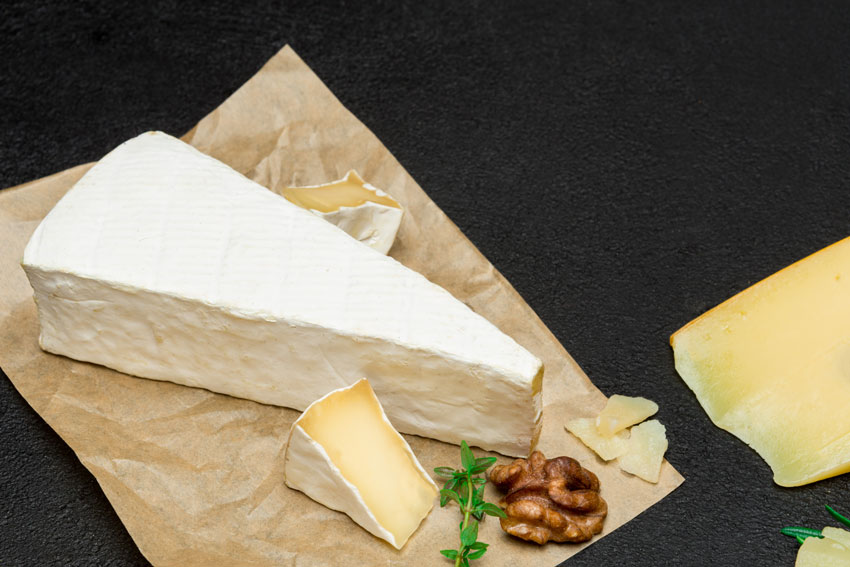
This soft cheese with a slightly moldy rind is made with raw cow’s milk. His fame dates back to 1814 when he was established as the king of French cheeses. HisProtected Designation of Origin It would come later, in 1980.
Brie cheese has a smooth and flexible paste, perfect for spreading and a mild and creamy flavor.
-
Camberbert cheese, the pleasure of Normandy
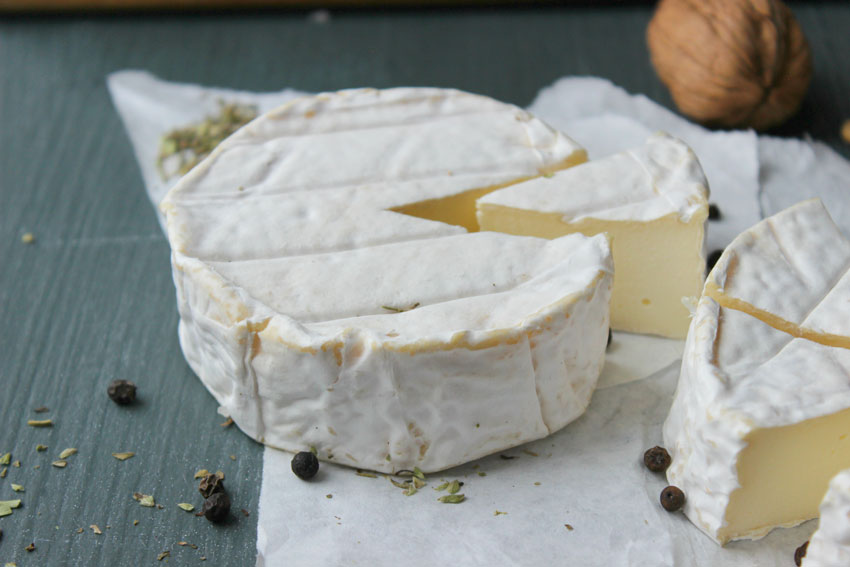
It is one of the most renowned cheeses in all of France. Camembert cheese is made in the Normandy region, from… unpasteurized cow’s milk and one maturation of between 3 and 5 weeks.
Camembert cheese has a slightly fruity and pure aromawith a hint of mushrooms, creamy and complex in its crust, while its. The pasta is sweet and reminiscent of butter. Ideal to eat cold or hot, melted with bread.
-
Cheddar cheese: the orange variety from the United Kingdom
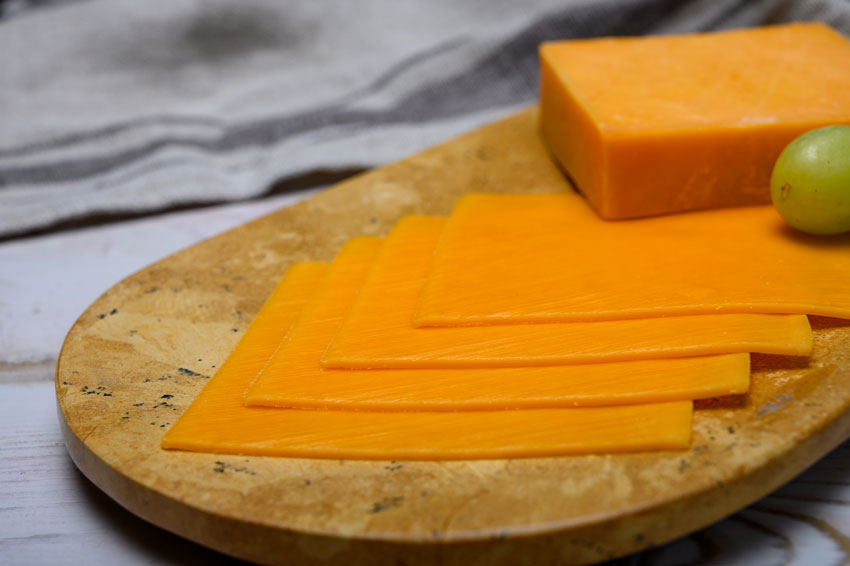
This English cheese comes from the Cheddar Valley in Somerset. It is made with cow’s milk, through a very peculiar technique, cheddaring,which consists of cutting the curd into very small pieces, forming blocks and stacking them to release the excess liquid.
This cheese has a hard, firm, smooth paste with a uniform color, which can vary from pale yellow to deep orange, both due to its ripening and the use of the annatto as a natural dye.
-
Edam cheese: the popular ball cheese
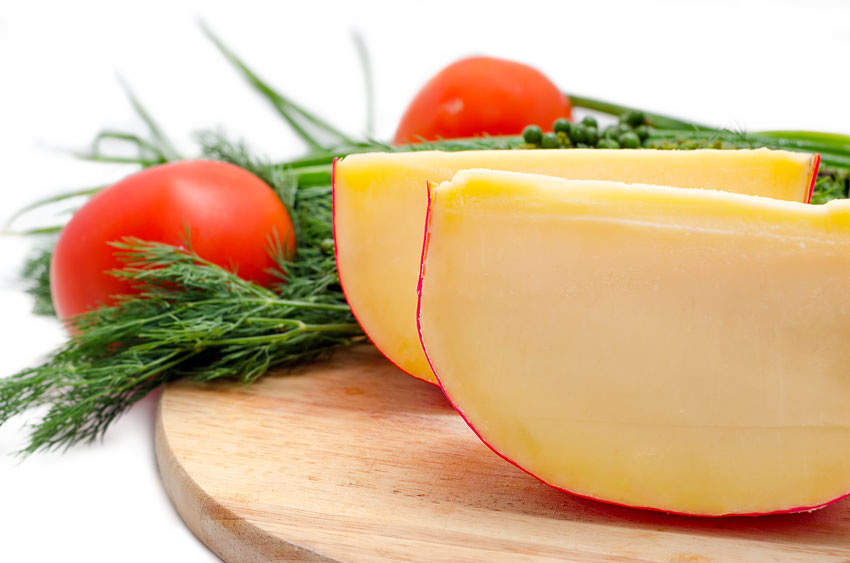
This Dutch cheese is well known for its red rind. Its firm texture and mild flavor make it one of the most popular cheeses in Europe.
Edam cheese is made with pasteurized cow’s milk,Partially skimmed. It has a very delicate aroma of butter, with spicy hints of nutmeg .And a mild flavor that goes perfectly with fruit. Now you have one more ingredient to add to your fruit salads!
-
Emmental cheese: the classic cheese with holes
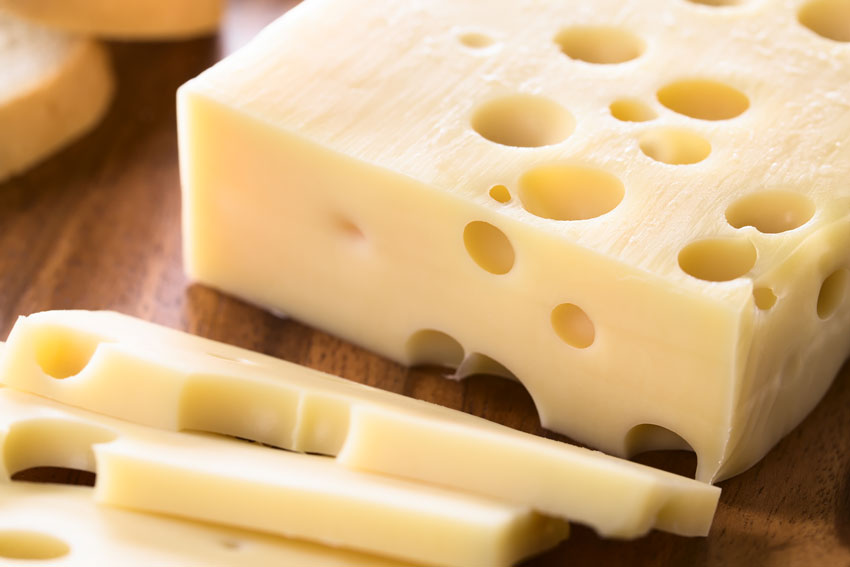
It is one of the most popular Swiss cheeses. It is produced in the central cantons of Switzerland and is easily recognized by its holes.
Emmental cheese is made with cow’s milk,which gives it a texture and mild flavor, with a slight acidic touch. Its aroma is sweet, fruity with notes of nut and hay.The secret of its eyes lies in its fermentation process, thanks to the action of harmless microbes called propionic acids, which also give it its characteristic flavor.
-
Feta cheese: the Greek cheese that appears in The Odyssey
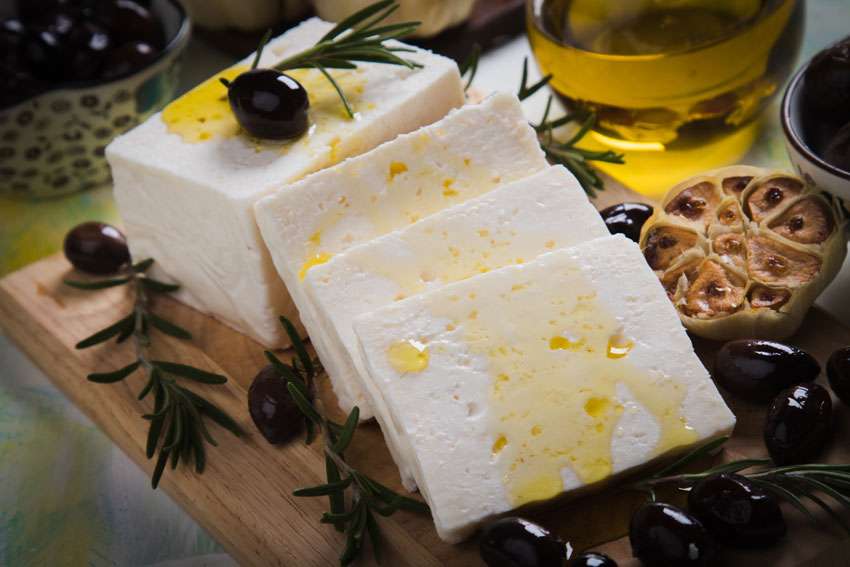
This cheese, so typical in Greece, has been making its way around the world, becoming one of the most popular at the moment.
Feta cheese is made with sheep’s milk, goat’s milk or a mixture of them; that gives it its intense flavor, with a slight aftertaste spicy. It’s a fresh cheese with a high salt content, derived from soaking it in brine for a specific period. It’s a great accompaniment to salads or other dishes like pasta.
-
Gorgonzola cheese: a blue cheese with a unique flavor
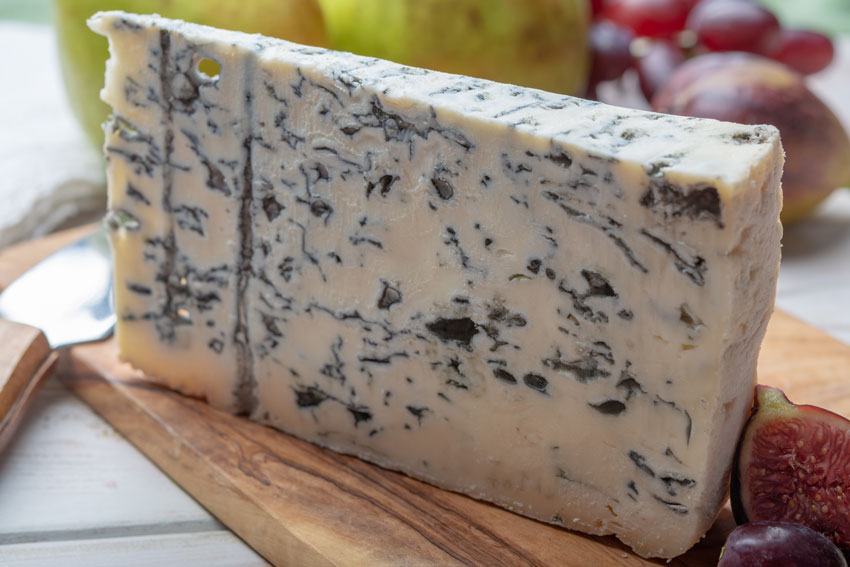
It is one of the oldest blue cheeses in the world. It is produced mainly in the northern regions of Italy and takes three to four months to reach full maturity. There are two types of Gorgonzola: the sweet and the spicy,which vary according to their healing.
Gorgonzola cheese is made from pasteurized whole cow’s milk,that gives you a creamy, crumbly and smooth texturewith a nutty aroma.Its flavor is mild or intense It depends directly on the maturation time, making it a cheese for all kinds of recipes.
-
Gouda cheese: a 16th-century Dutch variety
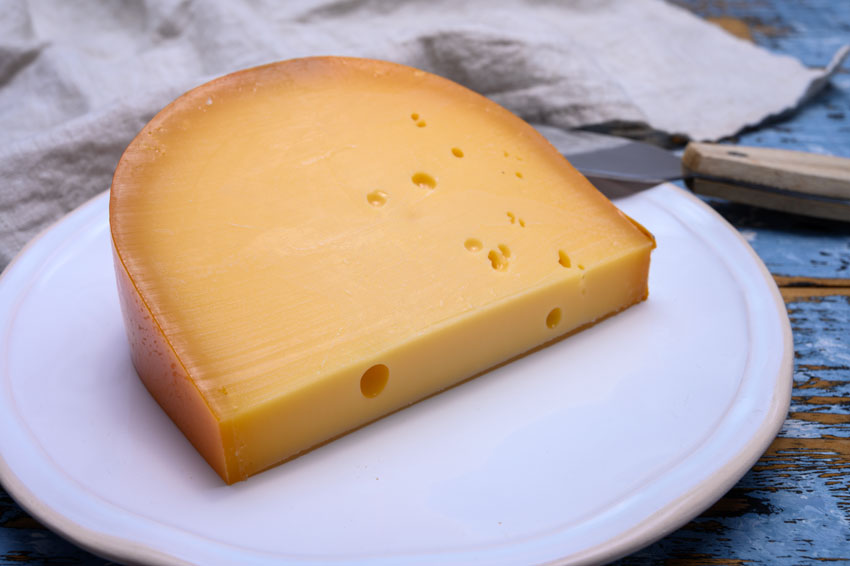
This Dutch cheese takes its name from the nickname given to the community of North Holland. It is made with pasteurized cow’s milk and it is characterized by its rounded shape.
A good Gouda has a smooth, firm and very shiny surface. Its flavor issoft, and slightly sweet,with a nutty flavor. If it’s still young, it’s best to slice or grate it and serve it hot. gratin dishes, sandwiches or oven-baked recipes.
-
Gruyère cheese: a cheese from the Swiss Alps
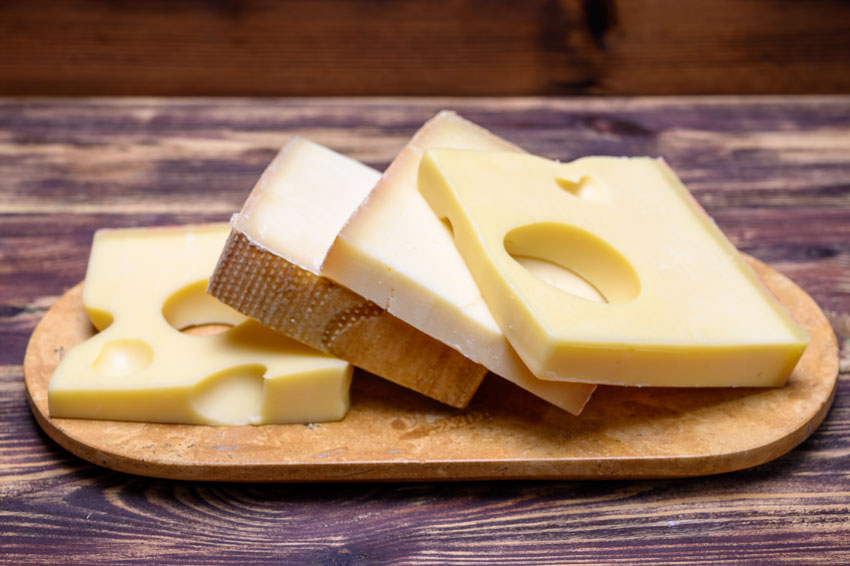
The origin of this Swiss cheese dates back to 1113 in the county of Greyerz. Centuries later, Gruyère cheese would become one of the products most exported outside their nation.
Gruyère cheese is made with raw cow’s milk. It’s a cheese very aromatic, with notes of honey and nuts, and its flavor varies with age. The youngest is creamy, with a sweet taste and nutty fruity notes. When the cheese is more aged it has a hard texture and a more intense and saltier flavor.
-
Mozzarella cheese: the secret to the best pizzas
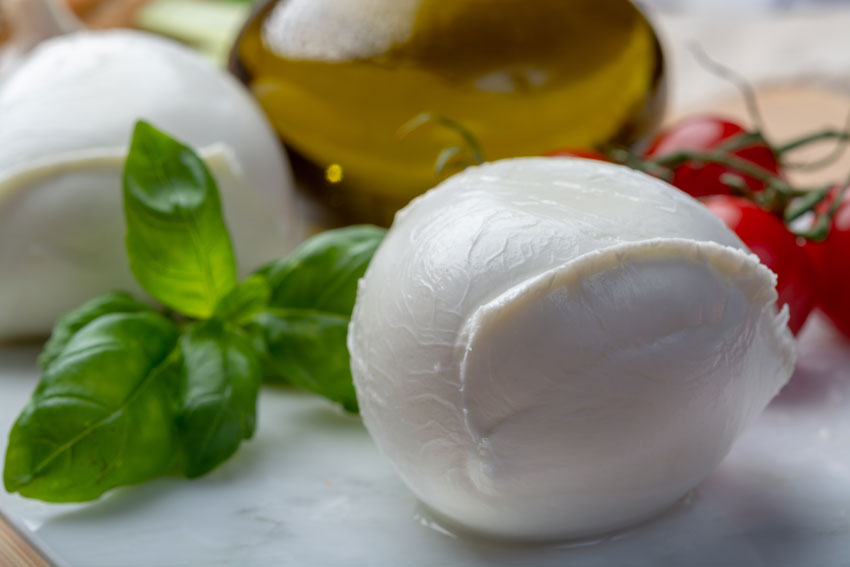
It is an indispensable ingredient in everything pizza. In its original recipe, Mozzarella was made with buffalo milk, However, the recipe has been modified for commercialization with cow’s milk.
This food, so typical of Italian cuisine, is a soft cheese.
-
Parmesan cheese: a cheese that tastes better grated
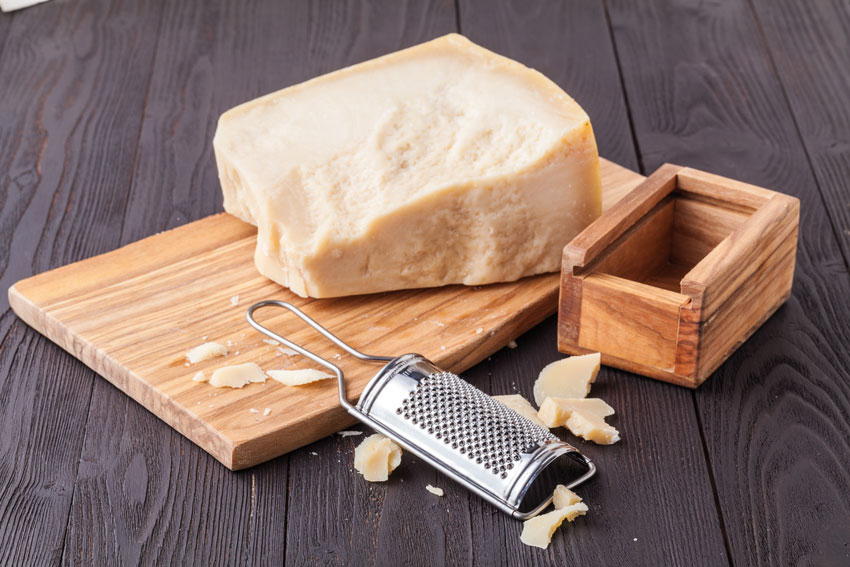
It is one of the most Italian cheeses popular internationally.It is mainly served grated and it can be eaten both raw and baked in pasta, soups, lasagnas, potatoes…
Parmesan cheese is made with cow’s milk, preferably skimmed. It has ahard and grainy texture, that crumbles easily, and a very strong aroma and flavor, with hints of nut and fresh fruit as it ages.
-
Roquefort cheese: a very particular French classic
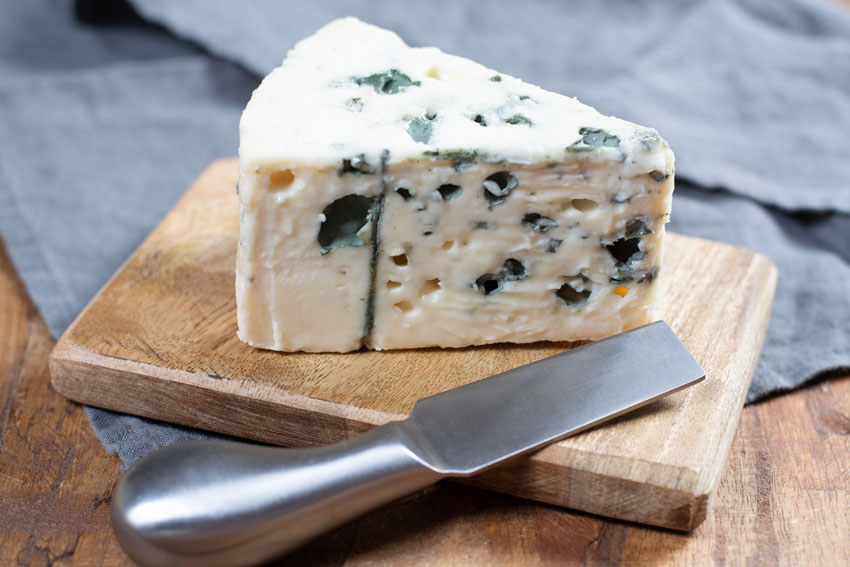
This French classic is made with Lacaune sheep milk,from the Causses region of Aveyron.
This cheese has a semi-soft, marbled pasta, in which its green veins give it a very particular flavor. A little slight, but intense at the beginning, and sweet but salty, in the end,due to the action of the molds present in its preparation.
-
Stilton cheese: “The King of cheese” in the United Kingdom
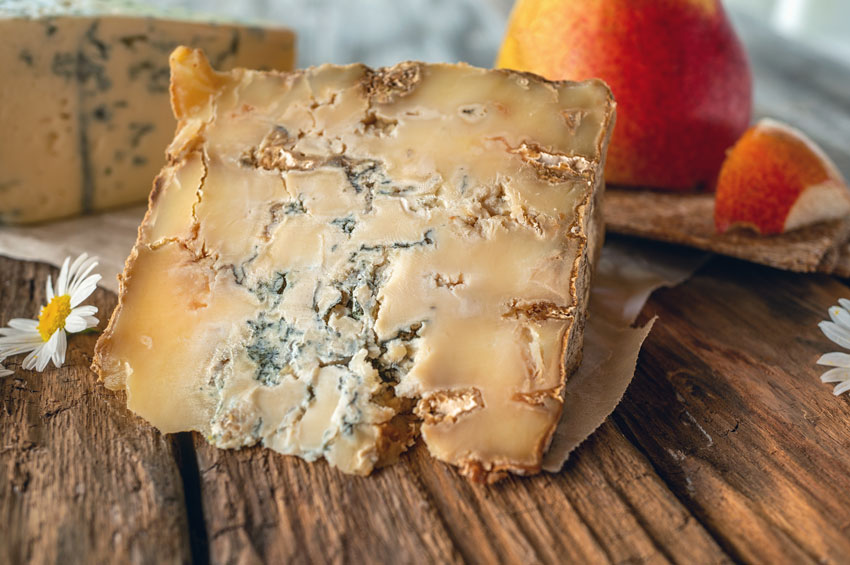
This British variety has three varieties: Blue, White and Gold, and only those produced in the regions of Derbyshire, Leicestershire and Nottinghamshire, They can be called Stilton.
This cheese is made with fermented pasteurized cow’s milk with Penicillium cultures. When young, its paste is crumbly, and as it matures, it becomes soft, creamy, and dark. Regarding its flavor and aroma, it has nutty memories,with a spicy flavor and intense in the most cured ones.