¿Cheese tourism?
It is tourism that revolves around cheese, a type of gastronomic tourism that highlights the cheesemaking tradition and craftsmanship of an area. Cheese tourism is a perfect opportunity to learn a little more about cheesemaking in each area and, of course, to discover the types of cheese that await you in each place. These kinds of getaways often include activities like tastings, cheese-cutting courses, and visits to cheese dairies… but we propose a simpler plan: create your own cheese route through the most famous bars! This way, you can discover the most important tourist attractions in each destination and sample the typical cheeses of each region in the best restaurants. Want to explore the most popular destinations?
Cheese tourism: A journey of experiences, culture, and cheese.
A cheese route through Spain:
8 tourist destinations and good cheeses.
There’s no denying it, Spain is one of the top destinations for cheese tasting. Each region is famous for its unique varieties. Today, we want to take you on a tour of the most popular regions for cheese tasting. Will you join us?· Galicia, land of creamy cow’s milk cheeses
We begin our cheese route through the green Galician lands, where the cows They are the queens of the pastures. Here you can find famous Designations of Origin such as D.O. Queixo de Tetilla, or the quintessential Galician cheese of D.O Arzúa – Ulloa. Galician cheeses are known for their creaminess and their characteristic milky aroma and flavor, reminiscent of curd or fresh butter. You’ll love them! If you’d like to learn more about these varieties, take a look at the cheeses from Castillo de Pambre.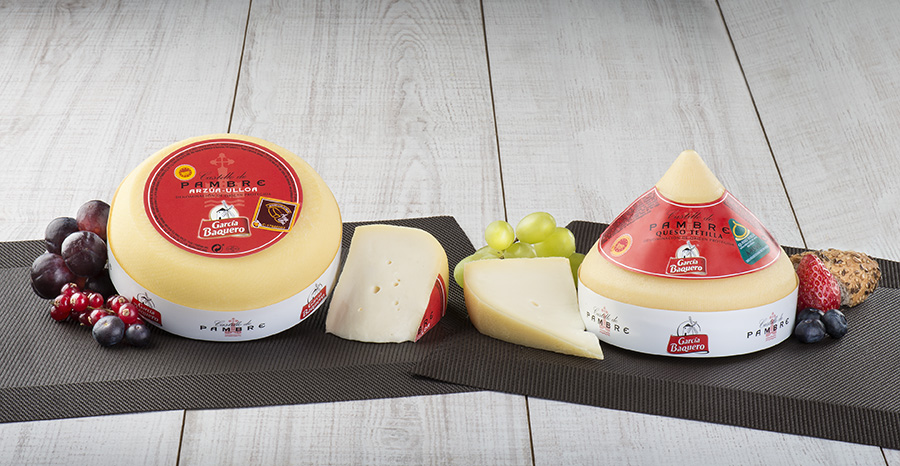
· Asturias, a place with more than 420 varieties of cheese:
As you read, Asturias has 420 different varieties of cheese. Among them is one of the oldest in Spain, the cheese of… Casin cheese which has almost become extinct due to its complex and lengthy production process. In Asturias we also find one of the best blue cheeses in the world, the Cabrales cheese, Made with raw cow’s, sheep’s, and goat’s milk and aged in natural caves in the Picos de Europa mountains. If you like strong flavors, don’t hesitate!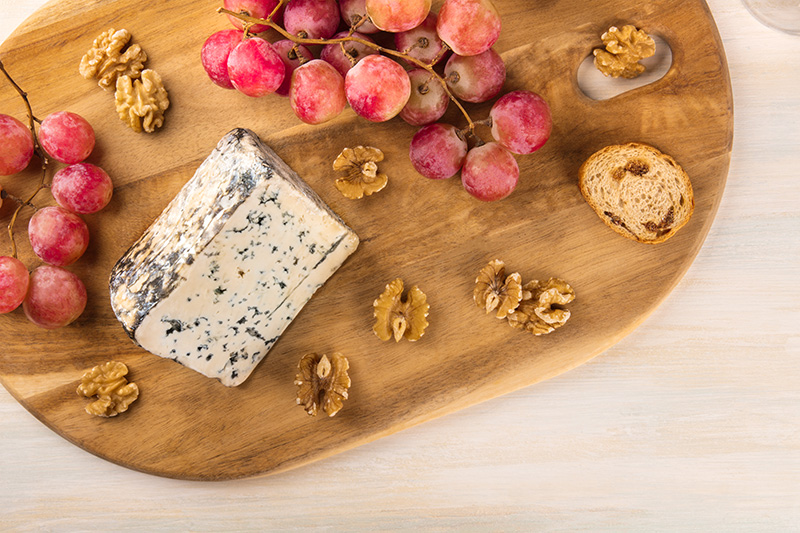
Asturias: Cabrales cheese with walnuts and grapes.
· Navarre and the Basque Country, land of pintxos, latxas and Idiazabal
In the Navarrese Pyrenees we find the Idiazabal cheese, A cheese of exceptional quality with Protected Designation of Origin status since 1989. It is made with raw milk from Latxa and/or Carranzana sheep, native to the verdant landscapes of the Basque Country, and undergoes a minimum curing process of two months. Idiazabal is a hard, cooked cheese with a natural rind, which can be smoked or unsmoked. Highly recommended!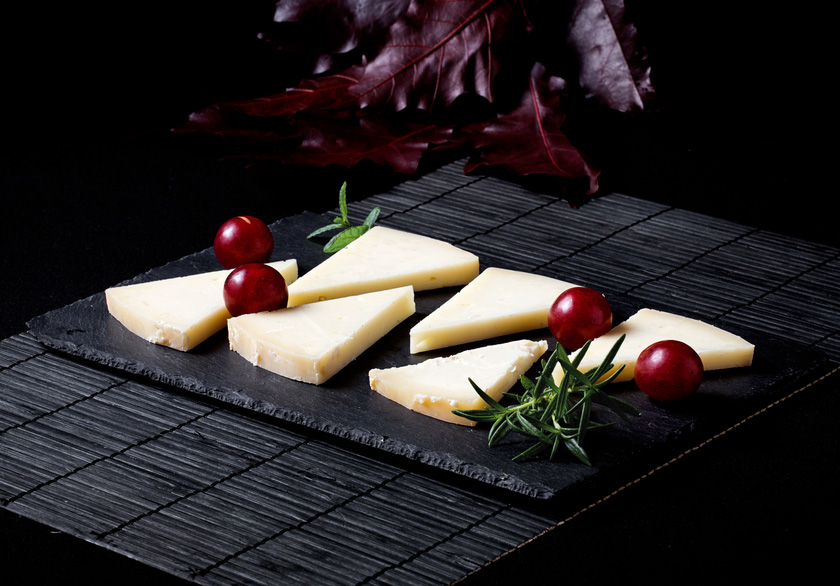
Navarra y País Vasco: de pintxos with Idiazábal cheese .
· Canary Islands, with sun and goat cheeses
The Canary Islands have a long and rich cheesemaking tradition. Their excellent biodiversity, both in native livestock breeds, primarily goats, and in the endemic plants that feed the livestock, contributes unique nuances, aromas, and flavors to their cheeses. One of the most famous Canarian cheeses is… Palmero cheese, Typical of the island of La Palma, smoked and made with raw milk from freshly milked La Palma goats and natural kid rennet majorero cheese It is another popular one, in this case, it is made with Majorera goat’s milk, from the island of Fuerteventura and it is common to distinguish its surface coated with paprika.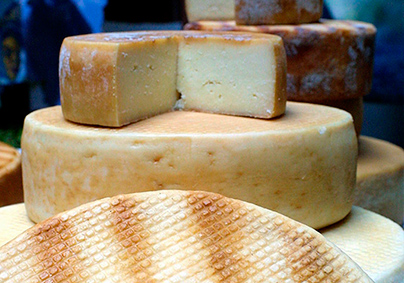
·Castile and León, where you can’t confuse apples and oranges
Castile is famous for its cheeses, especially two regions. First, there’s Burgos, where the very famous cheese is made. fresh cheese from Burgos, a soft, creamy, and moist cheese, like ours Burgoslínea. It is also, the Zamora region, Famous for its excellent sheep’s milk cheeses. On the Duero Plateau, you’ll find two native sheep breeds: Churra and Castellana (not to be confused with Merino, which is a wool-producing sheep). These two are the flagship sheep of the region Zamorano cheese, made with raw milk and popular for its distinctive flavor and slightly spicy aftertaste. If you want to try a 100% Zamorano cheese, discover the cured cheese from Tierra de Duero.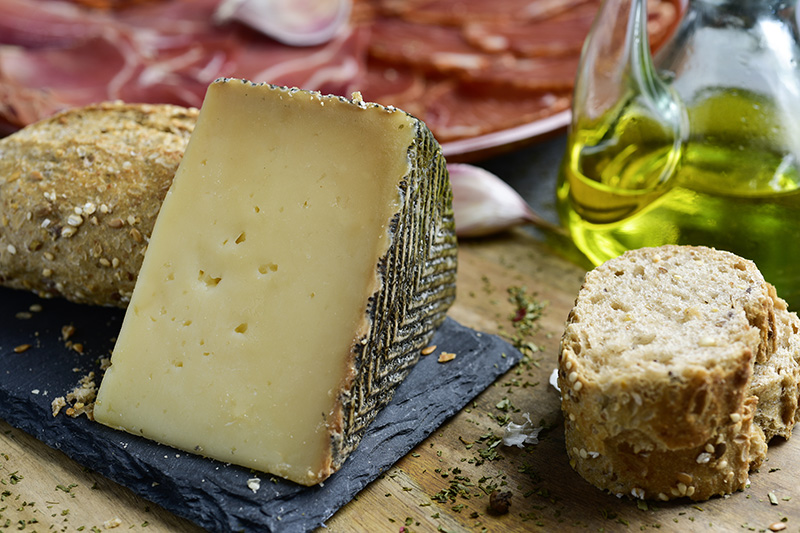
· Castilla – La Mancha, land of windmills and good cheese.
We arrive at the internationally known, Manchego cheeses. These cheeses have a unique designation of origin and are made from Manchega sheep’s milk, Selected for its quality, natural diet, and grazing regime, the Manchega sheep thrive in the harsh environment of the La Mancha plateau, grazing grasses, legumes, and aromatic steppe plants that form part of their diet. This is one of the secrets of Manchego cheese, along with its maturation process. The production of Manchego cheese follows the same traditions and craftsmanship as time immemorial. Its meticulous maturation and aging process reinforces its unique character aromatic personality of milky, floral and animal, This is where the richness and identity of this sheep’s milk cheese originates. If you want to savor the nuances of a good Manchego cheese, choose your favorite variety: old and cured Manchego cheese from Villacenteno.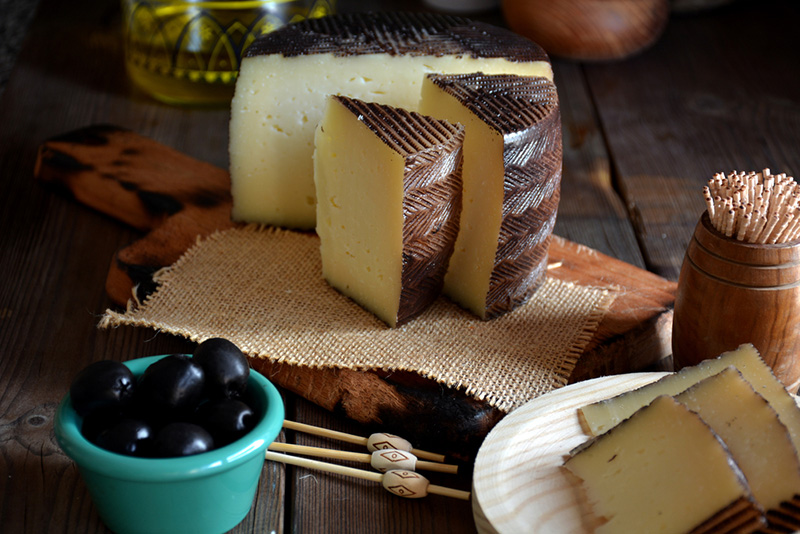
· Extremadura, creamy cakes.
Who hasn’t heard of the famous Casar Cakes. Until the 1980s, these cheesecakes were known as “the poor man’s cheese,” but since then, they have become highly valued and recommended by renowned food critics. That’s why this circular, creamy, and spreadable cheese is one of the most internationally recognized.
·Balearic Islands, paradise beaches and good cheeses.
The Balearic Islands are a land of cheeses with Protected Designation of Origin. One of the most famous is the Mahón cheese, also known as menorquín. It’s made with raw or pasteurized cow’s milk and, sometimes, with a mix of Menorcan sheep’s milk, which adds a spicier touch to its creamy texture. Imagine tasting this cheese on a paradise vacation with your friends!