
Alcazar de San Juan
Our Origin
A life dedicated to cheese
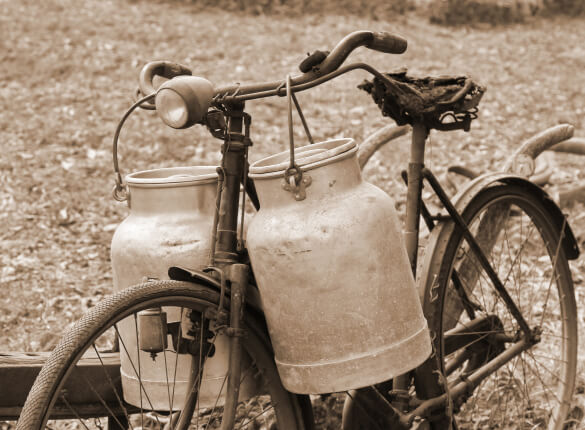
It was in 1962, in Alcázar de San Juan, when Hersilio García Baquero, who had been selling fresh milk from his cows to the local residents for many years, began to look for ways to add more value to that milk and started to make 7 cheeses a day by hand.
His tireless drive to improve led him to investigate further the complex process of transforming fresh milk from sheep, goats, and cows; and he pioneered the development of an unparalleled flavor by blending milks and using a unique fermentation process.
He discovered that each type of milk provided different nuances to the cheese:
• Sheep’s milk provided greater flavor and density in the mouth and the cheeses were much more aromatic.
• Goat’s milk added a certain acidity and a spicy touch.
• Cow’s milk provided creaminess and lactic nuances.
That consistency and passion that Hersilio García Baquero showed every day to improve, led him to achieve in 1962 one of the best cheeses made in Spain.
It wasn’t easy; there were obstacles from the beginning:
• Difficulty in obtaining raw materials
• Ensure supply
• Quality maintenance
• Consistency in taste
• But none of this stopped him from achieving his dream.
“to make their cheeses available worldwide”
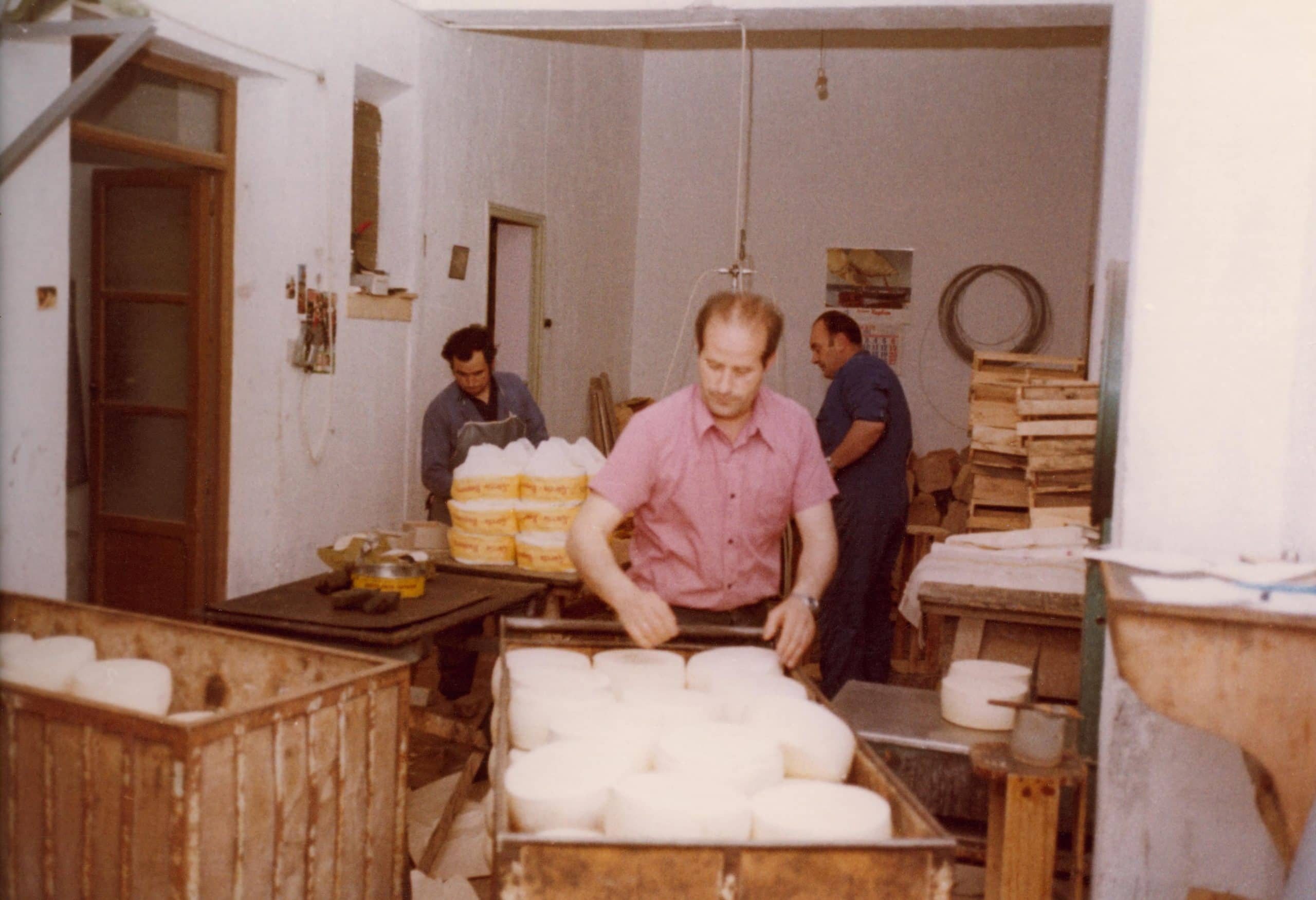
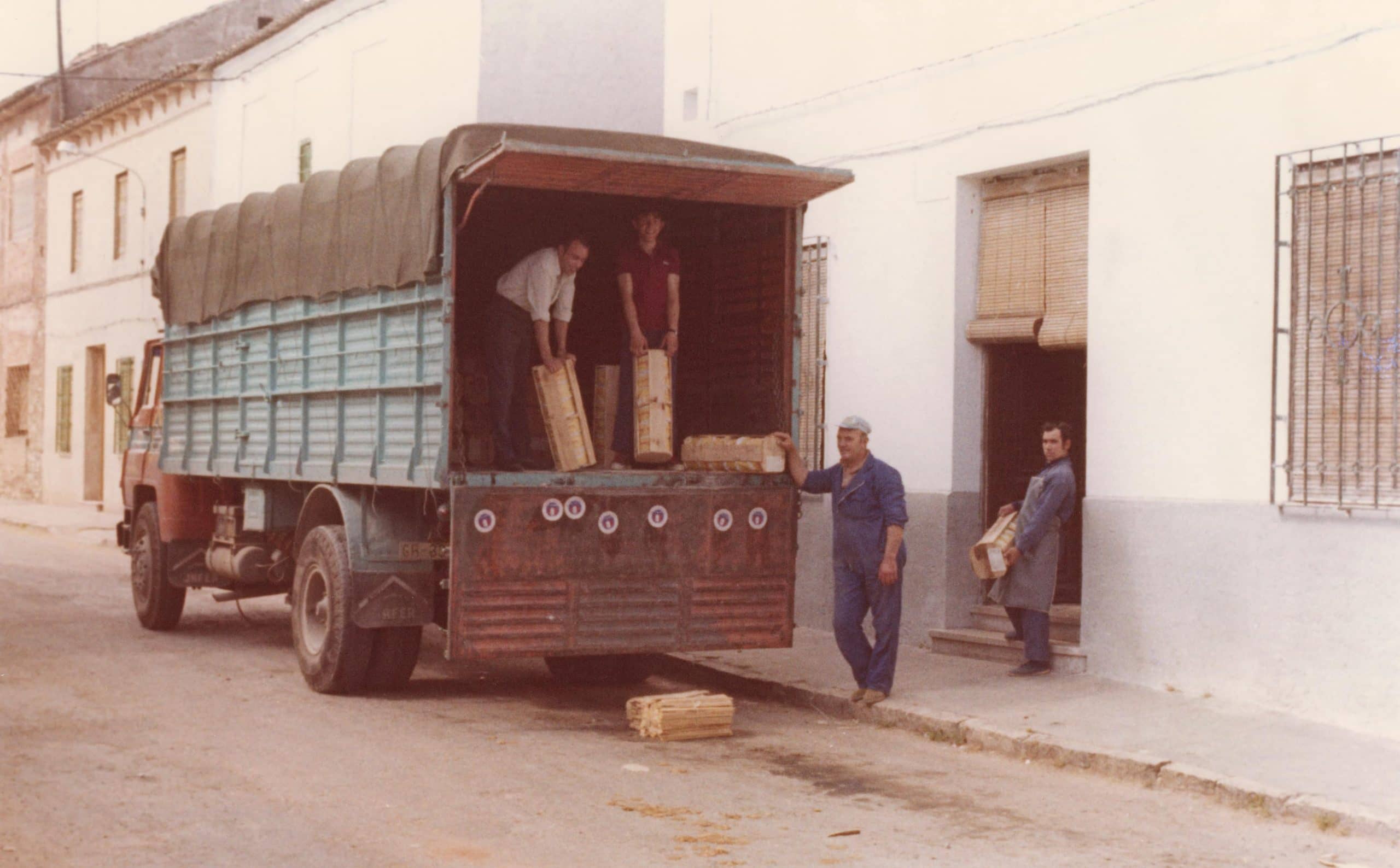
“Tradition, expertise, and the most demanding selection of raw materials are the pillars on which the García Baquero family’s commitment to quality is based.”.
This technological innovation, pioneering in Spain at the time, incorporated the best French, Dutch, and Danish processes and technologies (obtained thanks to the long trips through Europe that Mr. Hersilio made to learn all the knowledge from the great masters), and has helped Lácteas García Baquero and the Spanish cheese sector to achieve the good cheese that is made in Spain today.
This would not have been possible without the perseverance and passion of the García Baquero family who dedicate time and effort to finding the best way to consume the cheese, maintain it, and offer it to our consumers and customers.
Given the immense popularity of Hersilio García Baquero’s cheese, he considered ways to differentiate it from the rest. He came up with the idea of painting the rind of his semi-cured cheese black to distinguish it from the competition.
This marked a turning point in the industry because, after that, the rind color became the standard for semi-cured cheeses.
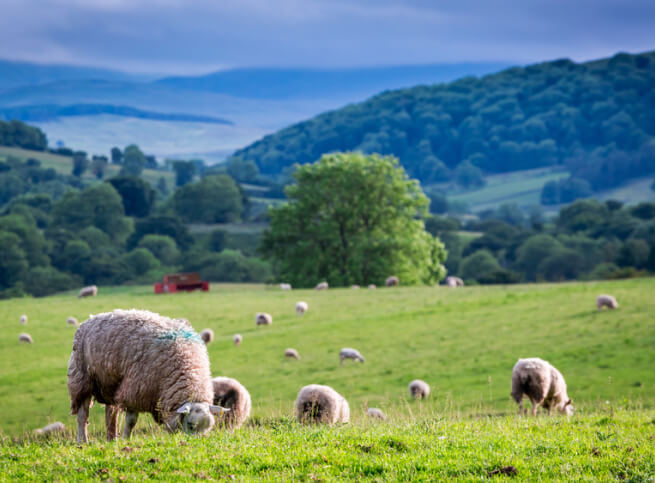
All of them are located in areas with high quality milk and are covered by Designations of Origin under the strictest quality regulations for the production of the best cheese.
In the Zamora region, it is important to keep in mind the concept of “TERROIR”. The personality of the Castilian land is marked by Miocene calcareous-clay soils with substrates rich in limestone and/or marl, affecting the acidity levels of the proteins and fibers of the pastures, levels that will later impart very rustic characteristics to the cheeses.
Furthermore, in that area we find the native breeds of Churra and Castellana sheep, which produce a type of milk unique to the rest of Spain, which is used to make the iconic Zamorano Protected Designation of Origin Cheese.
And the region of Galicia (Palas del Rei) famous for its large, green pastures and the high quality of its milk, where the Protected Designations of Origin for Tetilla and Arzúa Ulloa cheeses are produced.
García Baquero today…
Currently, the second generation It gives continuity to the family business that Hersilio García Baquero has carried out with such enthusiasm and passion, continuing the values and culture of the company, the love for a job well done, perseverance, the desire to improve…. Contributing new knowledge and business vision.
It exports its cheeses to more than 60 countries worldwide and are deserving of a multitude of international awards and recognitions to quality, standing out among cheeses from all over the world.
We know that obtaining a cheese of the highest quality requires the best raw materials. Therefore, to ensure the highest quality of our milk, at García Baquero. We have our own sheep and goat farms, which we pamper and care for from the beginning, relying on two fundamental pillars: the quality and suitability of their food and the comfort of the animal.